Sagging Service Line in The Entrance
If you've noticed a sagging or low service line at your The Entrance property, don't touch it, that's urgent Level 2 work. Electrician The Entrance is Level 2 ASP accredited and responds same-day, with 300+ five-star reviews behind us.
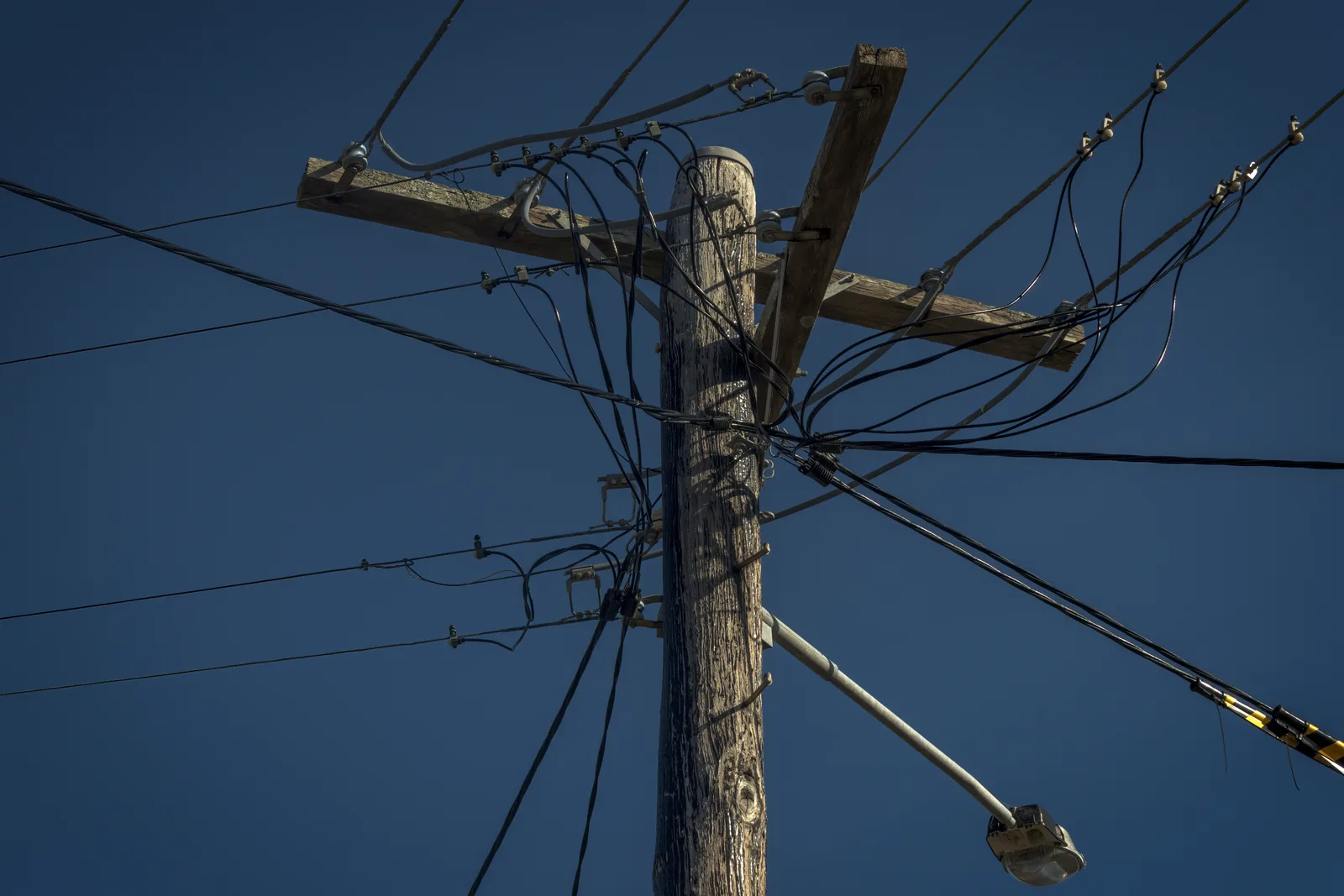
What a Sagging Service Line Means
Level 2 work covers the wiring between the street or pole and your meter, work only a Level 2 ASP is licensed to touch. A sagging, low, or frayed overhead service line is often still carrying current, so under AS/NZS 3000 this is treated as a live hazard until inspected, whether it happened overnight or crept lower gradually.
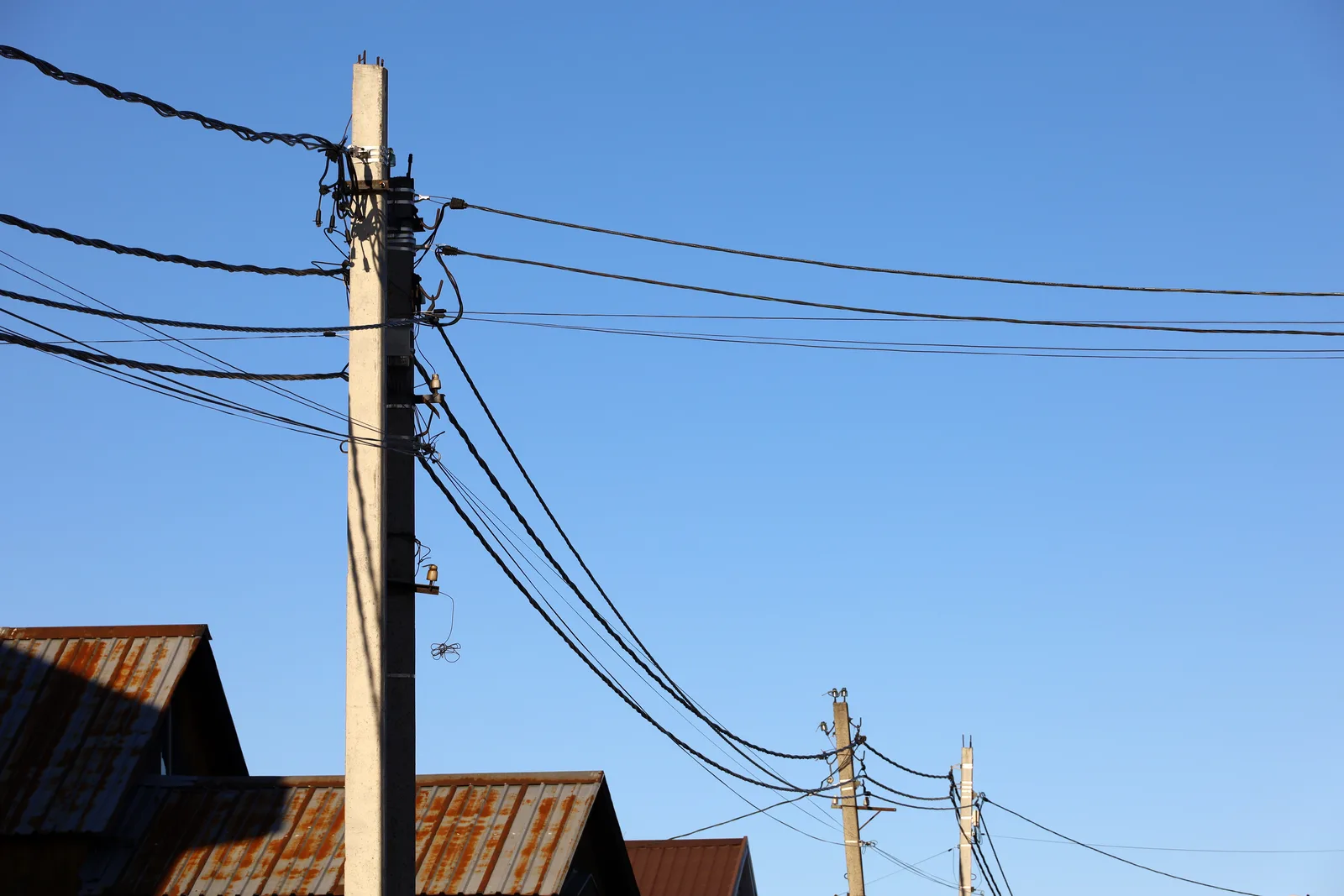
Common Causes of a Sagging Service Line in The Entrance
Storm and wind damage
Strong onshore winds off the ocean and Tuggerah Lakes stretch and strain overhead mains, a frequent cause of sagging lines across this exposed promontory during storm season.
A fallen branch or debris strike
Trees near older streets like Torrens Avenue can drop branches onto overhead service lines, pulling them loose or stretching the cable below a safe height.
A failed point of attachment
The bracket fixing the line to your house has aged, corroded, or come loose, letting the whole service line droop even without a storm event.
General age and salt-air fatigue
Constant salt-laden air from both the ocean and the lake accelerates wear on overhead conductors and fittings, so older service lines sag well before their expected life is up.
An overloaded or poorly re-tensioned line
A line that was patched or re-tensioned incorrectly in the past can stretch again under everyday thermal expansion and contraction, gradually dropping lower over time.
Is a Sagging Service Line Dangerous?
Yes, this is a genuine and immediate safety concern. A low or damaged service line can still be carrying full voltage, and contact with it, a structure, or a vehicle is a serious risk.
- Treat any sagging or low overhead line as live until a Level 2 ASP confirms otherwise
- Never attempt to lift, move, or cut a service line yourself
- Keep children, pets, vehicles, and ladders well clear of the affected area
- A line that looks only slightly low can still be dangerously close to contact
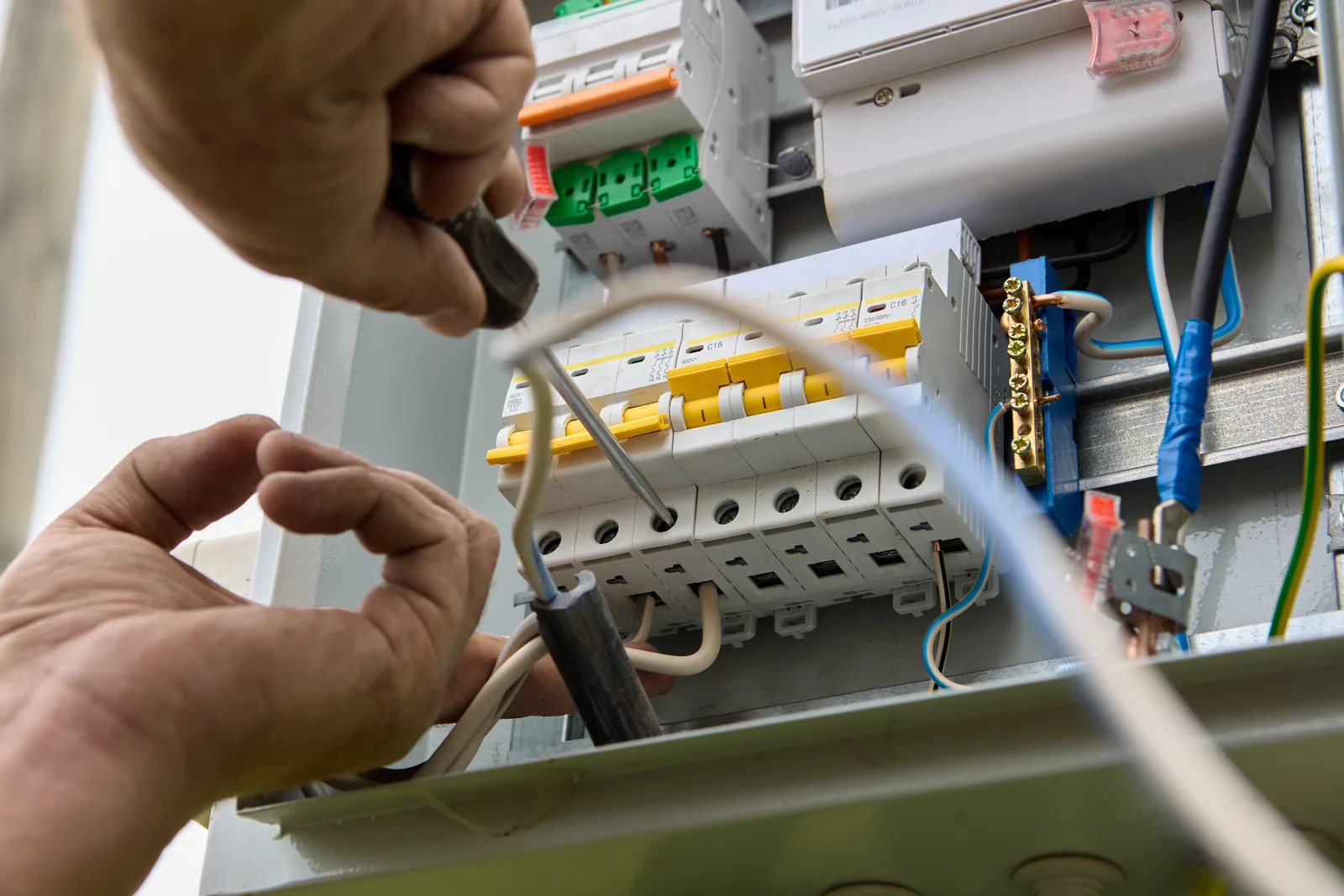
What To Do Right Now
Safe distance is the only action required from you, the inspection and repair itself is licensed Level 2 work every time:
- Keep everyone, including pets, well away from the sagging or low line.
- Do not park vehicles, position ladders, or store anything near the affected area.
- Warn neighbours or passersby if the line is near a footpath or driveway.
- Do not attempt to move, cut, or touch the line under any circumstance.
- Call a Level 2 ASP (Lic #451348C) immediately for an urgent assessment.
When To Call a Level 2 ASP for a Sagging Service Line in The Entrance
- The overhead line is visibly lower than usual or touching anything
- The line looks frayed, damaged, or stretched after wind or a storm
- A branch or debris has fallen on or near the service line
- The bracket where the line meets the house looks loose or broken
This is Service Mains and Point of Attachment repair territory, specialist Level 2 work most electricians can't do. We respond same-day and 24/7, with $0 call-out and free quotes, and every repair carries our lifetime labour warranty. See our service mains page.
How it works
How We Fix a Sagging Service Line in The Entrance
Urgent Safety Assessment
We attend promptly to assess whether the line is live, check the point of attachment, and establish a safe working area before any repair begins.
Upfront Quote
Once the fault is confirmed, we provide a fixed, transparent price for the repair, so there are no surprises later.
Service Mains Repair
As Level 2 ASPs we re-tension, repair, or replace the damaged service line and its point of attachment, restoring it to a safe height.
Final Safety Check
We test the repaired connection against AS/NZS 3000 and confirm the line is properly secured and sitting at a safe height before we leave the property.
Why This Is Common in The Entrance After Storms
Exposed overhead mains on this ocean-and-lake promontory take a battering during Central Coast storm season, and salt-air corrosion weakens fittings faster than in nearby Shelly Beach and other exposed coastal pockets around the region.
Sagging Service Lines and Related Faults Across The Entrance
A sagging service line is closely linked to storm-damaged mains and no power to the whole property. We fix all three across The Entrance, Bateau Bay, Norah Head, and the wider Central Coast.
Sagging Service Line in The Entrance? Call Now
Call (02) 4089 4284 for urgent, same-day Level 2 response, with $0 call-out and free quotes. Backed by 300+ five-star reviews, we'll make it safe and repair it properly.
Common questions
Sagging Service Line FAQs
Common questions from The Entrance homeowners noticing a damaged overhead line.
Is a sagging service line dangerous?
Yes. A low or damaged overhead service line may still be live, and touching it or letting it contact a structure or vehicle is a genuine electrocution risk.
What causes a service line to sag or hang low?
Storm winds, a fallen branch, a truck strike, or simple age can stretch or damage the overhead mains and the bracket holding them to the house.
What should I do if I notice a sagging service line?
Stay well away from the line and anything it is touching, keep others clear too, and call a Level 2 ASP immediately rather than attempting to move it.
Can any electrician fix a sagging service line?
No. This is Level 2 work on the wiring between the street or pole and your meter, and only a licensed Level 2 ASP can legally repair or replace it.
How much does it cost to fix a sagging service line?
We inspect the line and give a fixed, transparent upfront quote before any work, with $0 call-out and a free quote as standard.
Is service line damage common in The Entrance after storms?
Yes, exposed overhead mains on this ocean and lake promontory take a battering during Central Coast storm season, and sagging lines are a regular call-out.